

How Play Therapy Heals Emotional Wounds in Children
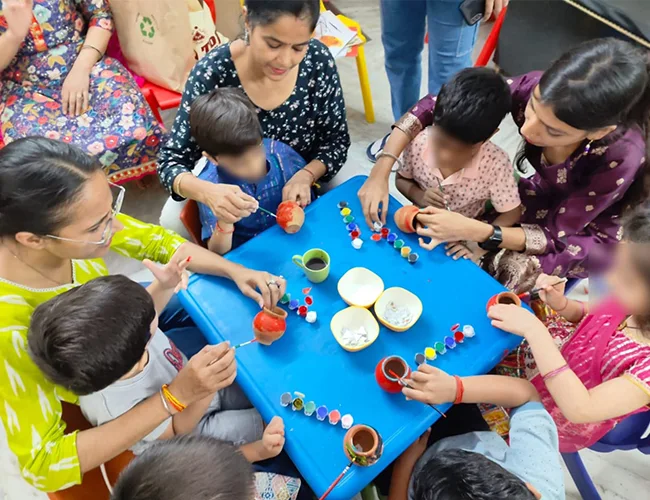
Play therapy gives children a natural way to express feelings they can't yet put into words. Through toys, drawings, role play, and stories, a child can share fears, sadness, or confusion in a safe and gentle space. Instead of being asked to explain big emotions, they show them through play — and that is where healing begins.
Play is a child's first language — therapy meets them where they are.
In play therapy, the therapist gently guides the child to explore difficult experiences at a pace that feels safe. This approach is especially effective for children who have faced trauma, anxiety, grief, or big transitions like divorce or moving homes. Over time, play helps them process what happened and build healthier ways to cope.
What Play Therapy Can Help With:
- Anxiety and Worry: Play helps children explore fears and build confidence in a non-threatening way.
- Big Life Changes: Moves, family separation, or a new school can feel overwhelming without the right support.
- Trauma and Grief: Gentle play-based exploration can help children process painful memories safely.
- Behavioral Challenges: Play therapy supports emotional regulation and healthier ways of expressing anger or frustration.
What a Session Looks Like
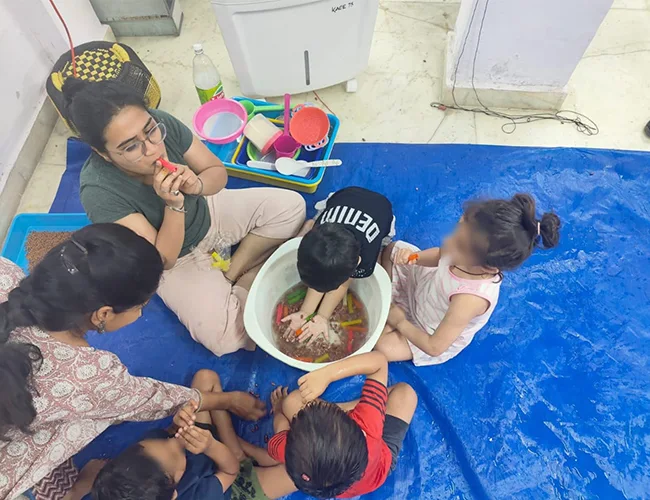
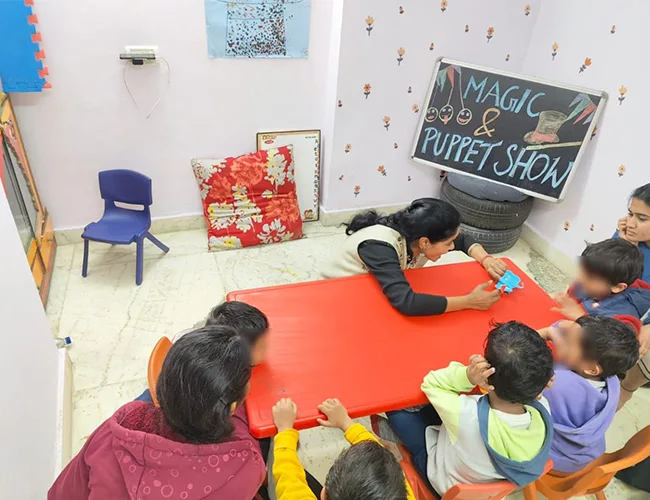
Sessions are structured but flexible, with activities such as art, storytelling, puppets, or sandbox play. The therapist observes, reflects, and guides in ways that help the child feel understood and in control — which builds trust and emotional safety over time.
How play becomes therapeutic
Play therapy is not simply giving a child toys and waiting. A trained therapist watches themes, choices, body language, emotional shifts, and repeated patterns in play. These clues help the therapist understand what the child may be carrying internally, even when the child cannot explain it directly.
The therapist may use pretend play, art, stories, sensory play, movement, puppets, or structured games. The goal is to help the child feel safe, express difficult feelings, practice choices, build self-control, and find healthier ways to communicate distress.
What parents may notice after sessions
- The child starts using words, drawings, or pretend stories to show feelings instead of only reacting.
- Transitions, separation, bedtime, school worries, or frustration may become easier with repeated support.
- Parents learn calmer ways to respond when the child is dysregulated, scared, angry, or overwhelmed.
Simple play-based support at home
Keep a small daily window where the child leads the play and the parent follows without correcting, testing, or teaching. Describe what you see, reflect feelings, and let the child make safe choices. This kind of connected play builds trust and gives children an easier route into emotional expression.
Local support for child emotional needs
Beyond Therapy Centre works with children and families from Ghaziabad, East Delhi, Vaishali, Indirapuram, and nearby Delhi NCR areas. If your child's emotions, behaviour, sensory needs, or communication challenges are affecting daily life, a therapy assessment can help identify the right next step. Related support may include psychology and counseling, occupational therapy, or speech therapy. You may also find these guides helpful: autism support and ADHD in children.