

Beyond Therapy logo

Hi

Chat with Beyond Therapy on WhatsApp

Speech Therapy

Therapy

Speech Therapy for
Special Needs Children

Speech therapy is a treatment program that helps children with special needs improve their communication skills. It focuses on speech clarity, language understanding, and the ability to express thoughts and emotions. Speech therapy also addresses non-verbal communication, like gestures and facial expressions, to make it easier for children to connect with others.The goal of speech therapy is to help children develop the skills they need to communicate effectively in their daily lives.

Speech therapist helping a child communicate
Speech therapist using picture cards with a child

Who Needs Speech Therapy?

Speech therapy is helpful for children who have difficulties with speaking, understanding language, or communicating effectively. Children may need speech therapy if they:

Role of Speech Therapy in Autism Spectrum Disorder

For children with autism spectrum disorder, speech therapy plays a vital role in improving communication. Many children with autism face challenges like delayed speech, difficulty understanding language, or trouble with social interaction.

Encouraging the use of words to express needs and emotions

Teaching non-verbal communication, like eye contact and gestures

Helping children understand and respond to questions or instructions

Developing conversational skills, like taking turns and staying on topic

Reducing repetitive speech patterns or echolalia

Supporting parents with strategies to improve communication at home

With consistent therapy, children with autism can make significant progress in their ability to interact and connect with others.

What to Expect in Speech Therapy at Beyond Therapy

At Beyond Therapy, speech therapy is designed to meet the specific needs of every child. Our sessions are child-centered, ensuring they feel comfortable and supported as they learn new skills. Here is what you can expect:

Personalized Assessment:

Each child is assessed to understand their strengths and challenges. Based on this, a customized therapy plan is created.

Engaging Activities:

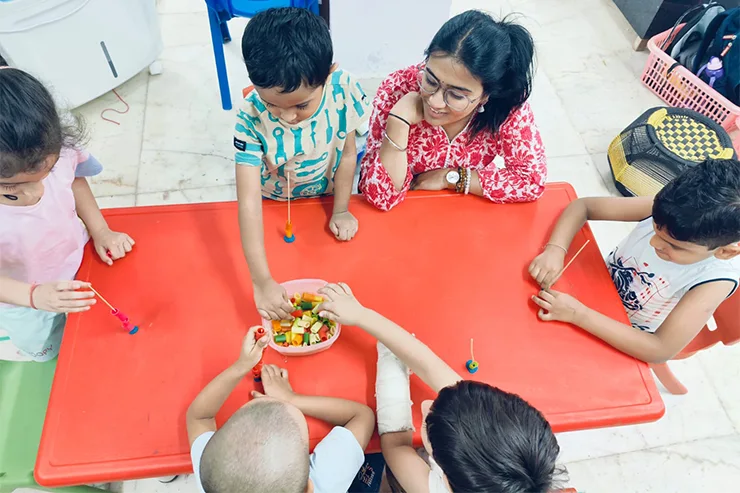
Therapy sessions include fun and interactive exercises like storytelling, picture cards, role-playing, and games. These activities keep children motivated and make learning enjoyable.

Focus on Practical Communication:

The therapy emphasizes real-life skills, such as asking for help, making requests, and responding to greetings.


Communication First

Support for Parents:

Parents are guided on how to practice communication skills with their children at home. This helps reinforce what is learned during therapy sessions.

Clear answers about speech therapy

Learn what to expect from assessment, sessions, and home practice.

The duration depends on your child's specific needs, age, consistency of practice, and how complex the speech or language difficulty is. Sessions typically last 30 to 60 minutes and may be scheduled weekly, twice a week, or fortnightly based on the therapy plan. Some children need a few months of support while others benefit from longer-term therapy with regular progress reviews.

Parents play the most important role in speech therapy progress. You can reinforce skills by practicing activities the therapist provides, creating a language-rich environment at home by talking through daily routines, reading together, labeling objects, and encouraging your child to communicate through words instead of gestures. The therapist will give you specific strategies to use every day between sessions.

Sessions are tailored to your child's age and goals. They typically involve play-based activities for toddlers and younger children, or more structured tasks for older children — such as games, storytelling, picture descriptions, articulation drills, language comprehension activities, and social conversation practice. The therapist works on the specific goals identified during assessment and gives parents strategies to practice at home.

Speech therapy supports children with speech sound delays, articulation difficulties, stuttering or fluency disorders, expressive and receptive language delays, social communication challenges, speech difficulties related to Autism Spectrum Disorder (ASD), developmental delays, selective mutism, cognitive-communication difficulties, and sometimes feeding or swallowing concerns (dysphagia) in coordination with other therapies.

Decorative therapy centre illustration

Get Expert Guidance for Your ChildBook a Consultation Today