


What makes our occupational therapy child-centered?
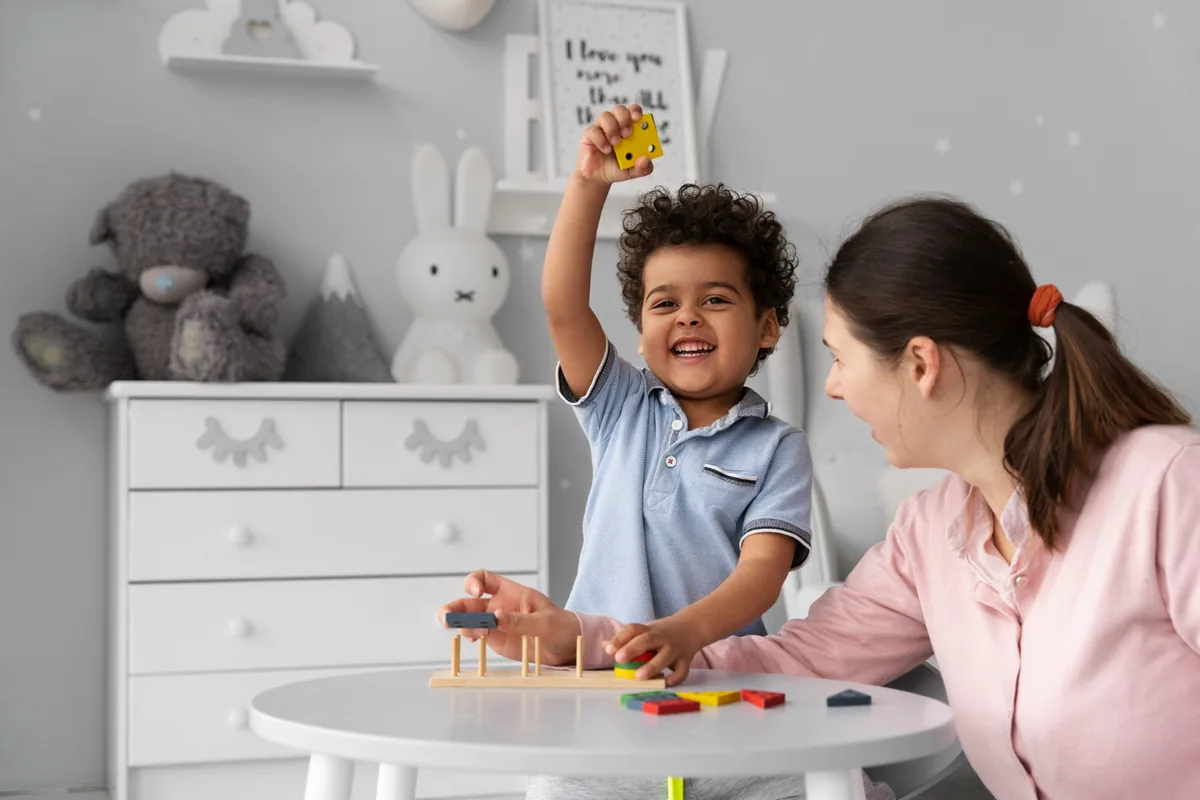
OT at Beyond Therapy is practical, play-based, and goal-led. Instead of working on isolated exercises only, we connect therapy activities to daily life: how your child sits at a table, uses both hands, tolerates textures, manages movement, completes a school task, or becomes more independent in self-care.
What to expect in OT sessions at Beyond Therapy
Each therapy plan is personalized after assessment. Depending on your child's needs, sessions may include sensory integration, fine motor practice, visual-motor tasks, self-care training, school-readiness work, and parent coaching.
Detailed OT Assessment
We look at the child's strengths, sensory profile, fine motor control, attention, coordination, play skills, and daily routine challenges before planning therapy goals.
Sensory Regulation Support
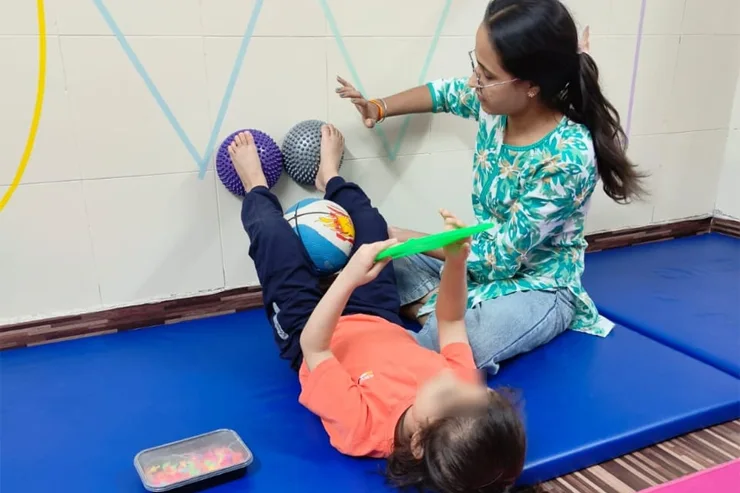
Sessions may include structured movement, deep pressure, tactile play, balance work, and calming strategies to help the child stay organized for learning and daily routines.
Fine Motor and Hand Skills
Children practice grasp, hand strength, bilateral coordination, cutting, pre-writing, handwriting readiness, and tool use through purposeful play-based tasks.
Self-Care Independence
We build skills for feeding, dressing, toileting readiness, grooming, buttoning, zipping, and other daily activities that matter at home and school.
School Readiness
Therapy supports sitting tolerance, attention, copying, pencil control, classroom transitions, task completion, and participation in group activities.
Play and Social Participation
Children learn through play that builds turn-taking, planning, problem solving, body awareness, confidence, and comfortable interaction with others.