
Special Education
Special education is a tailored approach to teaching children with special needs, focusing on their unique abilities and challenges. It provides individualized instruction, specialized techniques, and supportive tools to help children learn and grow at their own pace. The goal is to foster academic, social, emotional, and functional skills that empower them to succeed in life.
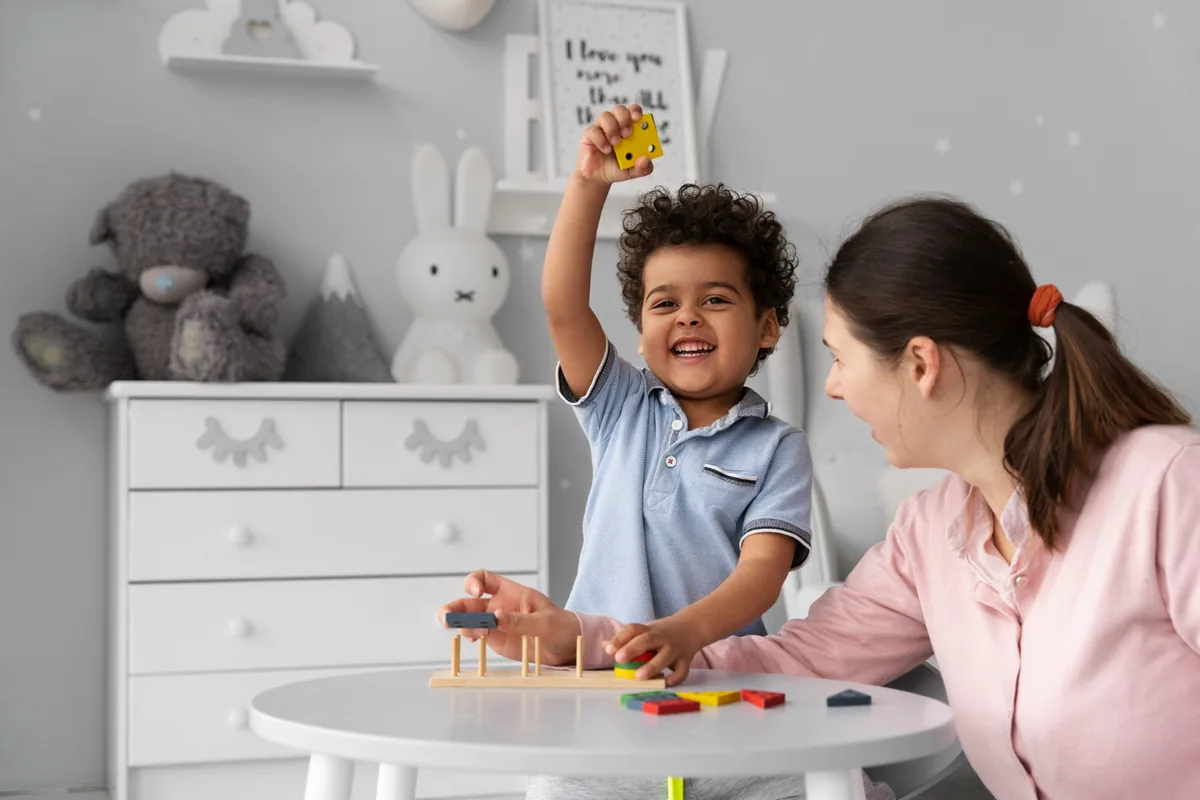

Special education is not a one-size-fits-all solution. It’s a flexible program designed to meet the needs of children who face difficulties in traditional learning environments due to developmental delays, disabilities, or learning challenges.
These programs often include modified teaching methods, adaptive materials, and therapeutic support to ensure every child has the opportunity to reach their full potential.
Special education focuses on understanding and nurturing each child’s abilities. Here’s what parents and caregivers can expect:
Every child enrolled in special education receives a personalized learning plan tailored to their strengths, needs, and goals. This plan outlines specific strategies, accommodations, and measurable objectives.
Teachers and therapists use a variety of methods such as visual aids, hands-on activities, and step-by-step instructions to make learning accessible and enjoyable.
Children often receive additional therapeutic and developmental services to support their overall growth:
Special education classrooms typically have fewer students, allowing teachers to give individual attention and adapt lessons to meet each child’s needs.
In addition to academic learning, special education helps children build essential life skills such as self-care, communication, and problem-solving. Social interaction is encouraged through group activities and play-based learning.
Parents are an integral part of the process, with regular updates, guidance, and involvement in decision-making. Collaboration ensures consistent support at home and school.
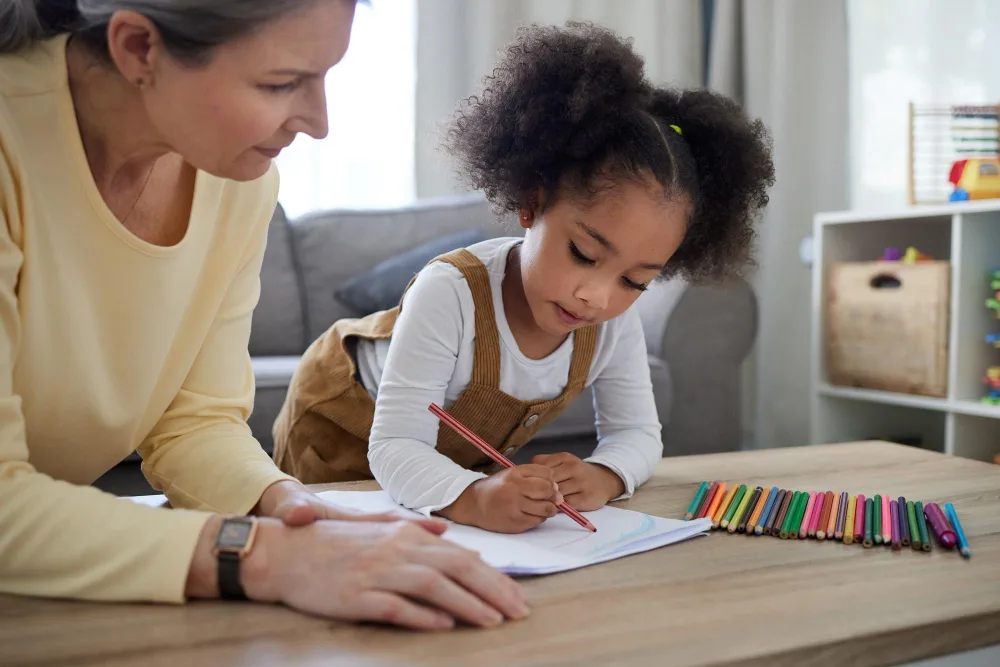
At Beyond Therapy, we take a comprehensive and compassionate approach to special education. Our programs are designed to empower children by focusing on their strengths while addressing their challenges.
Each child's unique needs are assessed, and a customized education plan is developed. This plan sets clear goals and outlines the methods and tools we'll use to help the child succeed.
Learning Plan
Special education support is planned after understanding the child's learning level, attention, communication, sensory needs, classroom readiness, emotional regulation, and family priorities.
Get clarity on goals, session structure, and school collaboration.
Children with specific learning disabilities such as dyslexia or dyscalculia, developmental delays affecting cognitive or adaptive skills, autism spectrum disorder, intellectual disabilities, ADHD impacting learning, emotional or behavioural challenges affecting school participation, speech and language delays, and other special educational needs can benefit from individualised special education support and therapy.
Special education support may include or coordinate with speech and language therapy for communication and literacy, occupational therapy for handwriting and sensory needs, physical or physiotherapy for motor skills, behavioural therapy for classroom participation and emotional regulation, psychological counseling for emotional wellbeing, and educational therapy for literacy, numeracy, attention, and learning strategies.
An IEP is a formal, written document outlining a child's current educational levels, specific measurable learning goals, the accommodations and modifications they need in the classroom, and the therapies or support services they will receive. It is developed collaboratively by educators, therapists, and parents and reviewed regularly to track progress and adjust goals.
Yes. Special education therapy and support can take place in various settings including mainstream or special schools with resource support, private therapy centres like Beyond Therapy, the child's home for home-based learning programs, or a combination of settings depending on the child's needs, the family's preferences, and the resources available in your area.
Related Resources
Learning needs may connect with communication, sensory regulation, attention, movement, and emotional confidence.
Learn which speech, sensory, motor, social, and learning signs parents should observe early.
Read moreSupport for handwriting readiness, attention, sensory processing, self-care, and school participation.
Read moreA supportive guide for families navigating developmental differences and child-centered therapy.
Read more