
Social Communication
At BEYOND THERAPY, we are dedicated to empowering individuals with effective social communication and language skills. Our therapy services focus on fostering meaningful connections, enhancing self-expression, and building confidence in communication.Whether addressing developmental delays, speech challenges, or social interaction difficulties, our compassionate team uses evidence-based approaches tailored to each child's unique needs. We strive to create a supportive, engaging environment where progress and growth flourish. Your journey to better communication starts here!
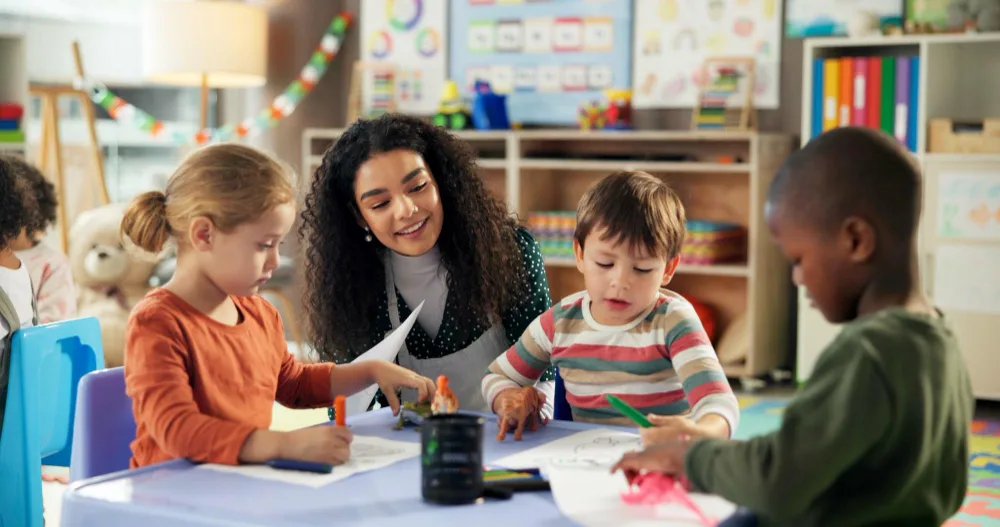
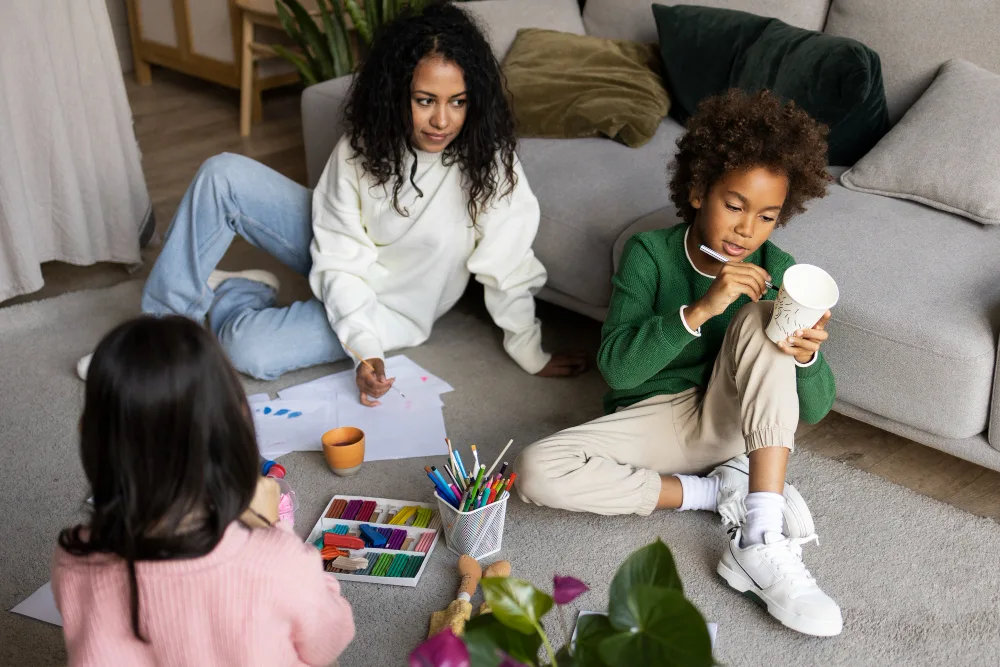
Group therapy brings individuals together in a supportive environment to share experiences, practice communication, and develop social skills.
Guided by a skilled therapist, participants engage in structured activities and discussions that encourage collaboration, empathy, and personal growth
If you or a loved one struggles with speech, language, or social interaction, therapy can help improve communication skills. Whether it's overcoming delays, enhancing conversation abilities, or addressing social challenges, our tailored approach provides the support needed to foster confidence and meaningful connections. Discover if therapy can make a difference in your life today!
Therapy Goals
Social communication is more than speaking. Children also need to understand cues, share attention, wait, respond, repair misunderstandings, and use communication in real situations.
Answers to common questions about goals, sessions, and progress.
Children who find it difficult to start or maintain conversations, respond appropriately to others in social situations, understand non-verbal social cues like facial expressions or body language, maintain comfortable eye contact, share toys or take turns during play, make and keep friendships with peers, or navigate group dynamics at school or in the community may benefit from social communication therapy.
Sessions may include structured play-based activities with turn-taking and sharing, role play scenarios to practice greetings and conversations, emotion recognition games using pictures or mirrors, conversation practice with prompts and feedback, listening and responding tasks, peer interaction activities in small groups, and real-life social situation practice such as asking for help or joining a game. Sessions are tailored to the child's age and comfort level.
Parents can support progress by modeling and practicing greetings like saying hello and goodbye, offering choices during daily routines to encourage communication, having simple back-and-forth conversations at mealtimes, encouraging shared play with siblings or friends with turn-taking, practicing waiting and patience during games, reinforcing positive social routines like thank you and please, and creating regular opportunities for your child to interact with family and peers in low-pressure settings.
Related Resources
Social communication often overlaps with speech, emotional regulation, play, and developmental differences.
Support for speech clarity, language understanding, expression, and everyday communication.
Read moreLearn how play can help children express feelings and build emotional safety.
Read moreA supportive guide for families navigating developmental differences and child-centered therapy.
Read more