Vocational Training
Vocational training at Beyond Therapy helps children and young people with special needs build practical life skills, routine-following, task completion, communication for daily situations, and confidence for future independence. The focus is not only job readiness; it is learning how to participate more meaningfully in everyday responsibilities.
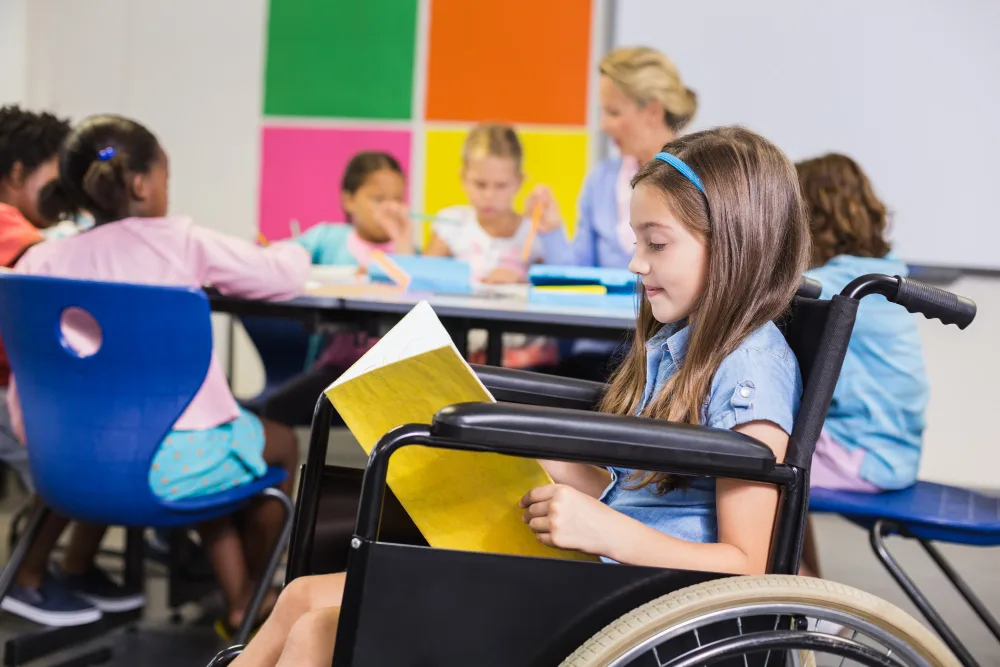
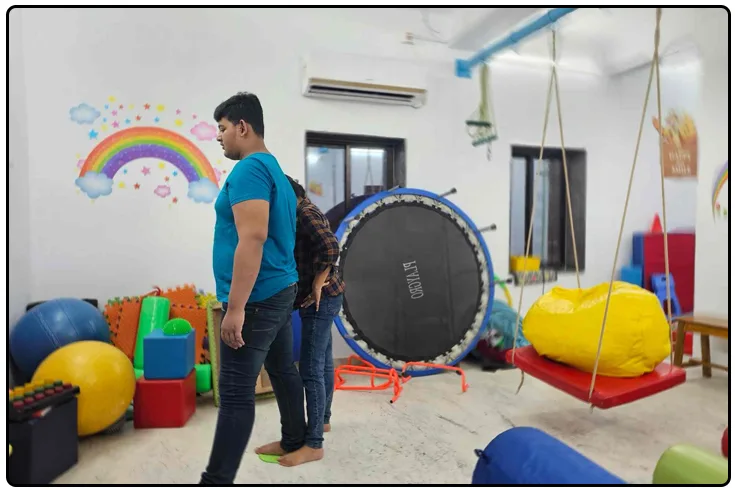
We provide practical training, expert guidance, and industry-relevant skills to help you achieve your career goals and succeed in today's competitive job market.
This program is ideal for children who want to gain the confidence and skills required to take part in day-to-day activities, manage responsibilities, or prepare for job opportunities. At Beyond Therapy, we believe that every child has the potential to learn, grow, and succeed. Our vocational training program is a step toward empowering children with special needs to lead more independent and fulfilling lives.
Parent Clarity
Progress is measured by functional independence: how much support the child needs, whether they can start a task, stay with it, finish it, and use the skill in daily life.
Learn how we build practical skills and real-world readiness.
Children, adolescents, and young adults with intellectual disabilities, autism, Down syndrome, developmental delays, learning disabilities, or other special needs who require support with practical life skills, daily routine-building, independence in tasks, social behaviour in work or community settings, and preparation for future responsibilities or employment can benefit from structured vocational training programs.
Training may include daily living skills like personal hygiene and organization, task completion and following multi-step instructions, appropriate social behaviour and workplace communication, basic work habits such as punctuality and responsibility, money handling and simple budgeting, safety awareness in different environments, confidence-building activities, and functional literacy or numeracy skills needed for real-life situations.
Each child or young person is observed to understand their current abilities, interests, learning style, challenges, strengths, and long-term goals. Based on this functional assessment, the team creates a practical, individualised plan with achievable short-term and long-term steps, repeated practice opportunities, real-world task exposure, and regular progress reviews to adjust the plan as the young person develops new skills.
Related Resources
Vocational readiness grows from communication, learning, self-care, and social confidence.
Individualized learning plans and functional academic support for children with different learning needs.
Read moreSupport for self-care, daily living skills, sensory regulation, fine motor control, and independence.
Read moreParent guidance on understanding developmental differences and supporting confidence.
Read more