

How Play Therapy Heals Emotional Wounds in Children
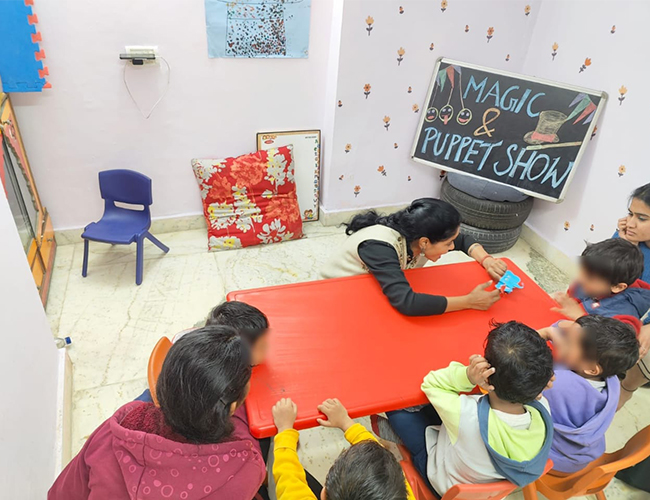
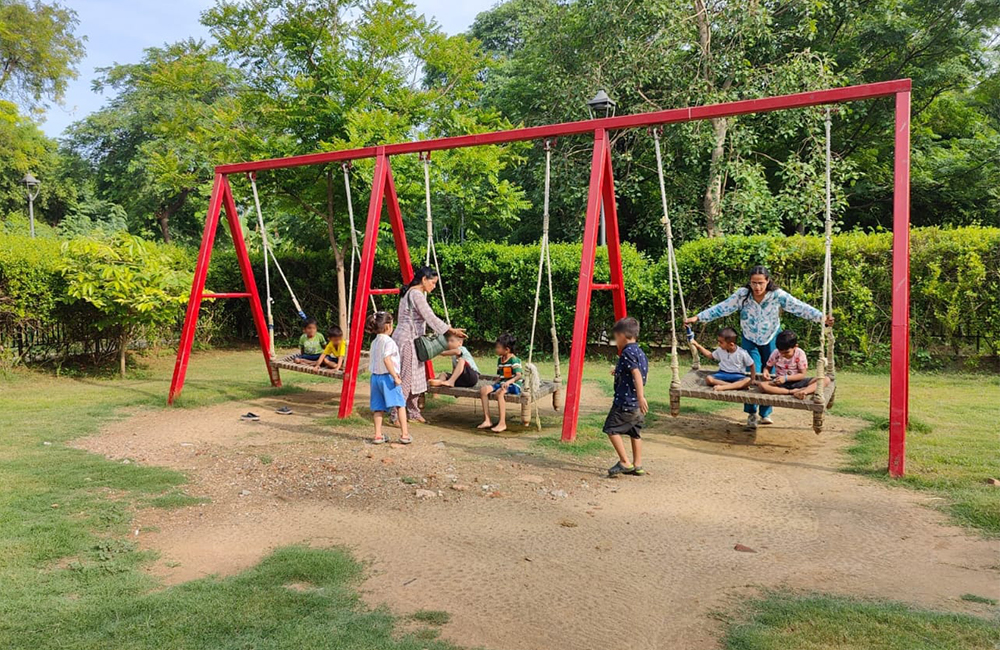
Play therapy gives children a natural way to express feelings they can't yet put into words. Through toys, drawings, role play, and stories, a child can share fears, sadness, or confusion in a safe and gentle space. Instead of being asked to explain big emotions, they show them through play — and that is where healing begins.
Play is a child's first language — therapy meets them where they are.
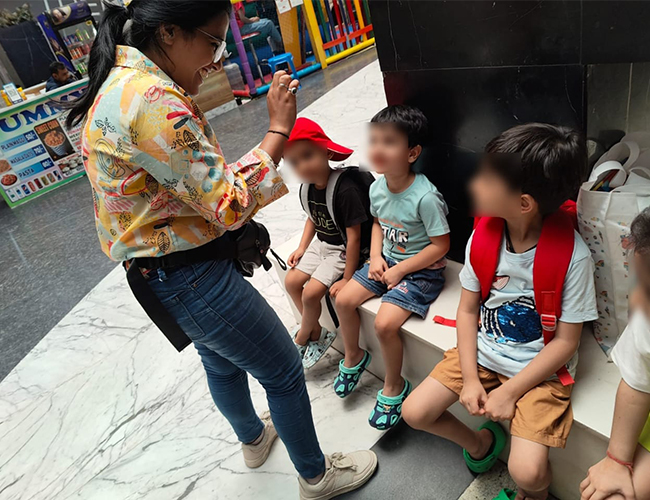
In play therapy, the therapist gently guides the child to explore difficult experiences at a pace that feels safe. This approach is especially effective for children who have faced trauma, anxiety, grief, or big transitions like divorce or moving homes. Over time, play helps them process what happened and build healthier ways to cope.
What Play Therapy Can Help With:
- Anxiety and Worry: Play helps children explore fears and build confidence in a non-threatening way.
- Big Life Changes: Moves, family separation, or a new school can feel overwhelming without the right support.
- Trauma and Grief: Gentle play-based exploration can help children process painful memories safely.
- Behavioral Challenges: Play therapy supports emotional regulation and healthier ways of expressing anger or frustration.
What a Session Looks Like
Sessions are structured but flexible, with activities such as art, storytelling, puppets, or sandbox play. The therapist observes, reflects, and guides in ways that help the child feel understood and in control — which builds trust and emotional safety over time.